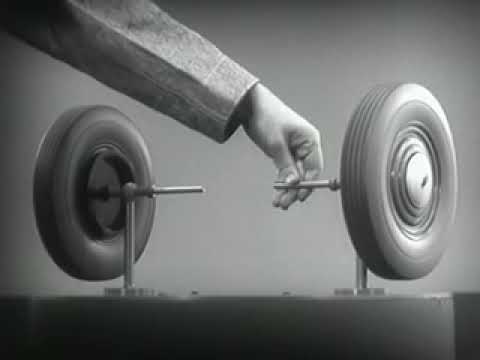
Held up as a marvel of pedagogy and the best explanation of differentials, recommended again and again.
Topics › Engineering, Transport & Making
The best cars, evs & motorcycles videos, according to Hacker News
171 videos about cars, evs & motorcycles that Hacker News commenters keep pointing each other to, ranked by how many separate months they were recommended. Part of Engineering, Transport & Making.

HN cites it constantly in threads on noise, EVs and car-free cities as the source that cars, not cities, are loud.

HN loves it as an example of old-school instructional film that makes how a differential works fully understandable in clear, simple language.

Repeatedly cited in car touchscreen debates as an elegant, sensible alternative to distracting automotive UIs.

It is HN's default link whenever vehicle size comes up, with commenters recommending it for the history of the light-truck loophole and the safety effects of tall bumpers.

HN cites it as the benchmark lap record and recommends it even to non-car fans for its sheer speed and precision.

Cited repeatedly in e-bike threads as a well-argued safety counterpoint from someone who rides both.

It is held up as a model of clear, well-paced educational film and of the old-era instructional style.

HN commenters link it repeatedly as a clear, number-based rebuttal to the claim that EVs are worse for the climate than gas cars.

The go-to demonstration in car-safety debates that old cars were not better, showing crumple zones and a rigid passenger cell at work.

HN people cite it in threads on vehicle size and safety as a clear explanation tying grille height to deaths.

Recommended for its heartwarming picture of Iranian hospitality toward a foreign rider.

HN considers it an outstanding explanation of why drivers miss motorcycles and cyclists, linked in threads on visibility and junction crashes.

HN links it in hydrogen threads as a clear breakdown of why compounded inefficiencies make hydrogen a poor fit for cars, though one commenter calls it outdated.

HN recommends it as a fascinating look at the i3's revolutionary materials and production methods, and as a contrast point for Tesla.

HN cites it as a clear side-by-side showing the papercuts of non-Tesla fast charging in EV debates.

Recommended as an entertaining overview of Harley's decline and as a case study in selling a lifestyle rather than a product.

HN points to it as a standout example of physics-based sound synthesis and engine simulation.

HN recommends it as the clearest introduction to what is inside an AC EV charging station and why it is much simpler than people assume.

HN uses it as the go-to explanation of why hydrogen internal combustion engines do not make sense.

HN cites it for the systems-over-blame view of road safety and for Dutch infrastructure design.

Treated as the essential primary source for Tesla's battery and cost-reduction plans, and a feast for engineering nerds.

Recommended in urbanism threads as a well-sourced account of how car dependency was manufactured.

HN points to it as a rare review from an actual delivery driver rather than a car reviewer, showing how the van's design suits the job.

HN points to it as a striking demonstration of fan-downforce EVs, with a run that looks glued to the track and almost sped up.

Commenters link it in Tesla threads as an informed, hands-on engineering view of the Model 3 and its manufacturing.

HN recommends it as the clearest visual explanation of how the Prius power-split hybrid actually works.

Recommended as an entertaining, in-depth beginner's guide that persuades skeptics that a wall outlet often suffices.

Cited as a well-argued case that solar plus batteries and EVs will reach a tipping point sooner than mainstream forecasts expect.

HN points to it as the clearest hands-on explanation of how Toyota hybrids work.

Recommended as a clear explanation of why old headlights looked as they did, and as a case study in mandating requirements versus solutions.

Offered as a well-researched counterpoint in threads complaining about car dealerships and direct sales.

Recommended whenever door handles or car reliability engineering come up, as an enjoyable look at design iteration.

HN cites it as data-backed evidence that weight has little effect on EV range while air resistance from trailers does.

HN uses it as a primary source on Tesla manufacturing and engineering decisions and Musk's grasp of product detail.

Cited in threads on motorcycle and cyclist safety to explain why drivers look and still miss them.

HN uses it as the go-to evidence for Toyota pickup durability, and as a benchmark in discussions of truck toughness.

Shared as a striking example of a fan car using powered ground effect, with an eye-popping launch, in EV and motorsport threads.

HN points to it as the most thorough walkthrough of the Amazon Rivian van, useful for seeing its real size and delivery-specific design.

Shared in threads about the Nurburgring and after Schmitz's death as a charming showcase of her skill.

Recommended as a history-rich look at the Cannonball Run and the rebellious philosophy behind it.

Linked in self-driving and car-dependence threads as an example of small vehicles that help disabled and elderly people without full-size cars.
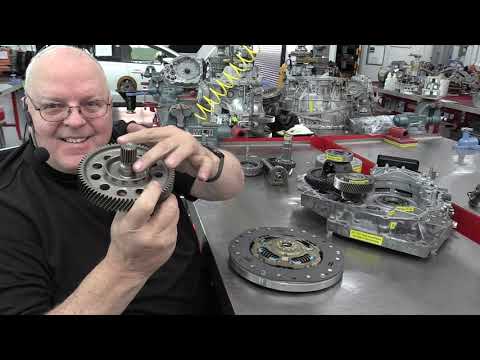
HN recommends it as a clear explanation of a mind-blowingly simple power-split hybrid design.

HN recommends the series as a cautionary tale about buying used Teslas and dealing with Tesla service.

HN recommends it as an eye-opening demonstration of why countersteering matters on two wheels.

HN recommends it as a detailed look at battery degradation, in threads on EV and grid storage lifetimes.

Cited as an accessible summary of evidence that corn ethanol is no better than gasoline for emissions.

HN commenters cite it in EV and emissions debates for its numbers on when replacing a car pays off.

HN cites it for reasonable estimates comparing the emissions of EVs, hybrids and ICE cars.

Recommended in threads about airbag vests as a solid overview when shopping for a motorcycle airbag.

HN points to it as the informative explanation of US turn signal quirks whenever signal design comes up.
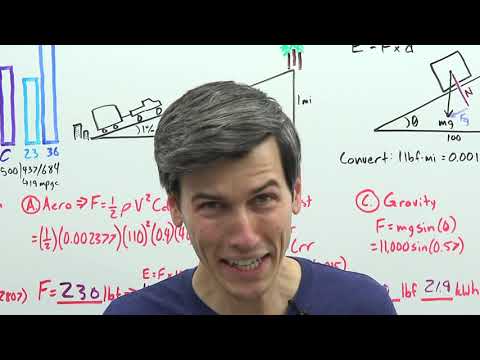
HN points to it as a solid analysis of EV towing range in truck and highway threads.

Brought up in Tesla auto-wiper threads as the clear explanation of how simple conventional rain sensors work.

Cited as an expert's account of why gigacasting works and how Tesla manufacturing has changed.

Treated as a favorite hack and a go-to example in threads about machines playing music.

Cited in threads on vehicle bloat as the explanation for why small pickups disappeared in the US.

HN recommends it as a clear explanation of the Model 3 motor and reluctance rotor design.

Shared in Honda e and camera-mirror threads as a look at the car's features and driving feel.

Cited as a vivid example of modern, highly automated manufacturing with few workers, and of carmakers as robotics companies.

Cited in steam car threads as a well-produced view of how a Doble works and how it solved startup in 1925.

HN points to it as evidence that battery recycling is more advanced and practical than people assume.

Referenced as a typical example of the channel's hacker-eye view of everyday technology, and for its flasher explanation.

HN finds it fascinating as a window into 1930s factory work, often contrasting its hand labor with modern assembly ergonomics.

HN commenters cite it as an impressive hobbyist project and as an example of open-source engine control enabling freevalve retrofits.

Mostly cited as a joke in threads on three-wheeled cars, and occasionally as a demonstration of the stability problem of a high center of gravity on three wheels.

HN cites it for Orkney's surplus renewable energy, hydrogen facilities and EV uptake.

Cited in cycling and helmet discussions as the standard explanation of the Dutch bike and its safety benefits.

Cited as a thorough, candid review of the Bolt, particularly for its uncomfortable seats and uncool image.

HN commenters cite it as a big-picture case for exponential solar and EV adoption, usually with caveats about whether his predictions will hold.

Mostly cited in discussions of Fisker's troubles and of whether a negative review can sink a car company.

Cited in car-safety threads as evidence that Tesla optimizes for real-world crash data rather than just standardized crash tests.

HN uses it as a widely seen, fairly balanced real-world appraisal of FSD, both for its impressive moments and for its manual takeovers.

Cited in discussions of drone performance and of how drone footage conveys the real speed of an F1 car.

HN cites it as the evidence that inductive EV charging can match wired charging in efficiency.

Cited in hydrogen threads as a clear explanation of why burning hydrogen in engines is a poor idea.

Cited in threads on camless, digital valve and free-piston engines as a look at Koenigsegg's freevalve work.

Cited in self-driving threads as the source of Tesla's vision-only stance, usually to discuss or push back on it.

Cited as a balanced engineering view of improvements in both ICE and EV technology.

HN commenters cite it as a primary source for Tesla's claims on battery materials, assembly design, 48V architecture and energy investment.

HN cites it as a detailed technical reference on Tesla's security design, especially the firewalling of infotainment from the CAN bus.

HN uses it to show what a skilled human driver can do in a car, for example in self-driving and motorsport threads.

HN cites it in hydrogen car debates, with some seeing it as evidence of relative safety and others finding it unconvincing.

HN brings it up in electric vehicle threads as proof that electric cars date back over a century, with Leno an entertaining guide.

HN mentions it as a favorite homemade EV pickup, often as an honorable mention in electric truck discussions.

HN cites it as the example of an extremely fast production electric car that uses ground suction fans.

HN cites it in threads on touchscreens versus physical buttons in cars, as an example of an enthusiast's critique of VW's UX.

HN points to it in electric aviation threads for how small electric motors enable contra-rotating props.

HN recommends it as a fair, technical comparison and cites it when discussing why legacy automakers have more boxes and complexity than Tesla.

HN links it as an expert teardown perspective on Tesla engineering, used to back up claims about motors and electronics quality.

HN points to it to explain how steer-by-wire is implemented and why variable steering ratio is its benefit.

HN uses it as evidence of how rough Tesla's self-driving was in 2021, usually in skeptical threads.

HN mentions it mostly as critical commentary on Musk, with one commenter saying it tempered their view.

HN cites it as a deeper look at Tesla's integrated thermal management system, from a commentator respected for auto industry knowledge.

HN uses it as shorthand for how compounding engineering improvements, crumple zones especially, made things safer, applied to analogies well beyond cars.

It is cited as a firsthand look at the Kia and Hyundai theft wave, usually in threads about car security and juvenile crime.

Linked as concrete evidence that automated battery swapping already works in practice, especially in China.
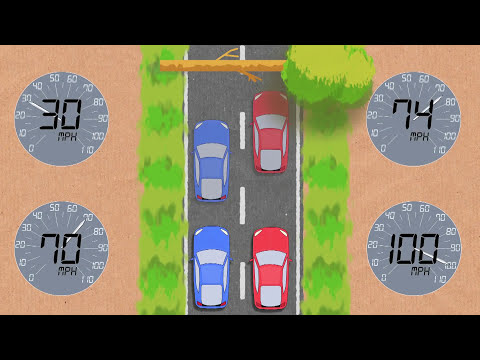
Used as a short explainer when people need to illustrate why speed matters so much in braking and crash severity.

HN commenters cite it as an illustration of the extreme effort Formula One teams put into safety, performance and reliability for a single part.

HN commenters cite it as a concrete teardown-style explanation of how BYD builds a cheap EV and why Western automakers are worried.

HN uses it as an example of cost-benefit reasoning about product safety in threads on recalls, security spending and Boeing.

Commenters cite it as stark evidence that modern cars are far safer than older ones, countering nostalgia for 'built like they used to'.

HN people link it in hybrid versus EV debates as a clear view of how simple the hybrid drivetrain really is.

Cited as engineering evidence that Tesla's integrated thermal design is far simpler than Ford's, in EV and quality debates.

HN cites it in threads about Teslas trapping occupants to show how the manual release is located and used.

HN commenters cite it as a concrete, working example of large-battery electric shipping with fast automated charging.

Cited as a real-world example of automatic emergency braking already working on heavy trucks.

Cited in threads on motorcycle safety, Tesla's sensor choices and autonomous vehicles as a well-made explanation of the failure mode.

Cited as a concrete example of Autopilot's limits whenever threads debate self-driving safety and Tesla's claims.

HN commenters cite it as the background for calling the DOT standard a joke.

Used in UI debates as evidence that wiper control on the touchscreen is awkward, or alternatively that it is just two touches.

Linked as concrete evidence that automated EV battery swapping already works at scale in China.

Cited as a primary source for what Musk said about the Cybertruck's design goals and for its huge view count.

HN links it as concrete proof that other brands already charge on Tesla chargers in Europe.

HN cites it as the demo of active suspension that was a technical success but a commercial flop.

HN cites it mainly critically, as one of several tests used to question Tesla's collision avoidance compared with lidar systems.

HN uses it almost entirely as evidence in criticism of Tesla's marketing claims, repeating that Tesla never ran the quarter mile it advertised.

HN cites it as evidence of Autopilot's behavior around lane gores, mostly in critical comments about Tesla.

HN mostly cites it as a source for what Musk said, such as on tariffs or gaming, and for context on Rogan's political endorsement rather than recommending it.

Cited as a stark demonstration of how much car safety has improved and how regulation differs between countries.

HN points to it as a real example of battery swapping and diesel-to-electric conversion for heavy trucks.
Which of these have you already seen?
Connect YouTube and HackerTube AI hides what you've watched and ranks the rest for you.