
A perennial HN recommendation whenever lobbying, SOPA, taxes or political corruption come up, with several commenters saying it changed their views.
Topics › Politics, History & Society
The best free speech, censorship & civil liberties videos, according to Hacker News
104 videos about free speech, censorship & civil liberties that Hacker News commenters keep pointing each other to, ranked by how many separate months they were recommended. Part of Politics, History & Society.

HN invokes it in nearly every content moderation and censorship thread as the most eloquent case for free speech.

HN cites it repeatedly as the root-cause argument that money in politics must be fixed before other issues, and as background for his Mayday PAC.

HN returns to it constantly as a prescient talk, cited whenever threads cover DRM, locked-down devices, app verification or restrictions on running your own software.

HN people cite it as insight into how Twitter thought about moderation, and as a source for Tim Pool's arguments about uneven enforcement.

Linked constantly in copyright and piracy debates as a short explainer of the difference between copying and physical theft.

It is HN's go-to reference whenever device lockdown, DRM, or restrictions on installing software come up, with commenters noting how prescient it was.

HN cites it heavily in diversity and academia debates as an intellectual analysis of the truth versus social justice conflict.

Recommended for Baldwin's riveting delivery and as an example of serious debate between opposing worldviews.

HN cites it as the classic example of an interviewer misrepresenting a guest, though opinions on who came out better differ.

Quoted heavily in moderation and free speech debates, particularly the line about freedom of speech and reach.

HN recommends the series for explaining the tactics and mentality of bad-faith online arguments.

Recommended as a first-hand account from NSA whistleblowers, often linked in surveillance and Snowden threads.

Held up as a classic debate with a clear winner and Baldwin's powerful oratory, still relevant today.

HN commenters call it an entertaining, complementary philosophical take on surveillance, with a funny story about jamming secret police.

HN commenters post it in swearing and profanity debates as the best statement against taking offense at profanity.

HN commenters recommend it as an introduction to shills, astroturfing and lobbyist influence on media, especially in threads about fake news and online forums.

HN points to it as an accessible, well-made mix of education and entertainment for anyone wanting to understand the Xinjiang situation.

HN recommends it as a thorough, nuanced perspective on the Rowling controversy and on cancel culture from a trans creator.

HN recommends it as the essential documentary for learning about Aaron Swartz and the case that shaped hacker culture.

HN points to it as a substantive debate on intellectual property from two libertarian angles, with Kinsella as the abolitionist voice.

HN shares it as a funny, technical story about phonetic profanity filtering, relevant to Soundex and content moderation threads.

HN commenters offer it as a sharp, funny answer to 'PC gone mad' and anti-woke arguments in discussions of language policy.

HN users post it as a meme or satirical comment in threads about AI regulation, age verification and online identity.

Recommended in copyright, patent and SOPA threads as a clear case for copyright reform.

HN commenters recommend it as an entertaining account of how easily fake papers get published and of problems in academic peer review.

Recommended as an eloquent defense of free speech against laws on offensive or insulting speech.

HN recommends it as an informative review of the academic publishing business and its monopoly-like structure.

HN commenters cite it as a brief summary of the problem and the proposed Anti-Corruption Act solution when arguing for getting money out of politics.

HN commenters use it in crypto debates as evidence that Bitcoin matters for people in unstable-currency countries.

HN shares it as an inspiring account of citizens changing Washington, especially after Swartz's death.

During the 2017 memo controversy, HN commenters pointed to it as Damore's own account and a detailed walk-through of the memo's sources.

HN recommends it whenever legal threats against critics or open-source authors come up, often as the best accessible primer on SLAPP suits.

HN users recommend Moglen as a brilliant speaker and a top introduction to free software philosophy, and cite this talk in privacy and crypto-wars discussions.
HN commenters point to it as an eloquent defense of free speech with concrete examples of the slippery slope.

Recommended as a practical guide to knowing your rights during police encounters, alongside the well-known advice to not talk to the cops.

HN commenters use it as the standard example of an author who found piracy helped rather than hurt sales.

The go-to explainer whenever content filters wrongly flag innocent words, well made and short.

HN commenters cite the series as a documentary on the Evergreen controversy and as evidence in arguments about ideology and campus culture.

HN commenters cite it in threads about X, Bluesky and online manipulation as evidence that bots and propaganda are real.

Linked repeatedly in threads on monopolies, protectionism, and subsidies, usually as a source for the argument that free markets are an ideology more than a reality.

Brought up in copyright, public domain and AI-training debates as a provocative argument for abolishing copyright.

Pointed to as an informative rebuttal to the popular claim and as an explanation of the film's satirical effect on Westerns.
HN recommends it in discussions of overcriminalization and prosecutorial overreach, notably after Aaron Swartz's death.

Cited in threads about renaming and sanitized language as a classic comedic statement of the case against euphemism.

Used as a joke or satire reference in moderation, free-speech and police threads.

HN quotes it in censorship and moderation threads for Chomsky's principle that free speech must cover speech you dislike.

HN commenters cite it as a wide-ranging conversation on political polarization and free discussion, and one commenter points to a segment on wealth distribution following a square-root law.

Cited in HN threads on the 2022 Canadian trucker convoy and emergency powers as an example of criticism of Trudeau from a liberal commentator.

Cited as the example of turning raid footage into a hit music video, whenever the Afroman lawsuit comes up.

Commenters cite it as evidence in arguments about partisan bias at tech companies and as testimony worth watching.

HN commenters cite it for numbers on Facebook's moderation scale and for Destin's ability to get platforms to speak openly about manipulation.

HN links it as the primary source for Assange's remarks hinting at Seth Rich as the leak source.

HN commenters cite it as a concrete example of police seizing cash from innocent people on flimsy pretexts.

HN uses the scene to argue for due process and for protecting the speech and rights of people you dislike.
Quoted whenever HN debates due process and legal protections, even for people one dislikes.
HN uses it as a source on Dorsey's views on Twitter moderation, with mixed opinions on how well he answered censorship questions.

Cited in free speech and moderation threads as the famous comedic rant on being offended.

HN uses it as the standard example of sneakernet media distribution via hard drives.

Cited in privacy and surveillance threads as an early argument for personal servers and decentralization.

Used in copyright and AI-code debates to argue that creativity is inherently derivative.

HN uses it as a source for the compelled-speech argument and the debate around Peterson's position.

HN commenters cite it as an authoritative-sounding critique of Wikipedia's bias, coming from one of its own founders.

Cited as the source of Chomsky's 'you wouldn't be sitting where you're sitting' line in threads on media bias and corporate employees defending their employers.

HN points to it as a prescient talk that discussed, in 2012, much of what Snowden's leaks later confirmed.

HN commenters cite it as an example of police cueing drug dogs to justify searches.

Cited in debates about campus culture, free speech and workplace diversity controversies as a window into a particular mindset.

HN quotes and links it as a witty take on political correctness in culture-war and language threads.

Pointed to as a good explanation of preference falsification and its effects on speech and politics.

HN commenters mostly use it as a side reference in climate-policy threads, pointing to his remarks on sacrifice and failed predictions.

HN mostly cites it in unrelated threads as evidence of European speech restrictions, and some commenters call it propaganda.

HN cites it as a well-known clip on how structural incentives and hiring shape media bias without conspiracy.

Cited as footage of the Evergreen controversy in debates about campus politics.

HN cites Binney's testimony in debates about NSA domestic surveillance.

HN cites it as the key evidence of what Chelsea Manning leaked and as an example of civilian deaths in war, with some early commenters disputing how to read the footage.

HN commenters invoke it in free speech and censorship debates as a classic example of a articulate defense of free expression.

HN mostly uses it as a reference point or negative example in debates about campus politics and online codes of conduct.

HN uses it as a critical reference to contrast his campaign promises with later NSA surveillance policy.

HN cites it in Assange, Manning and press-freedom threads as evidence of alleged US war crimes, not as something to recommend.

Cited as an example of automated content moderation misfiring, notably the incident where chess talk was flagged as hate speech.

Referenced as the hearing that propelled Peterson to public visibility and as a source on the compelled speech debate.

Mentioned as a source when commenters discuss anti-racism as a quasi-religion, rather than recommended on its own merits.

Not recommended; HN uses it as a critical example of Ohanian deflecting blame for Reddit's content problems.

Linked as footage of the arrest of an Australian online journalist, in threads about press freedom and state power.

HN invokes it as a joke whenever threads touch on speech laws or people arrested over jokes.

HN cites it as an example of creators' complaints about YouTube copyright blocks on music instruction videos.

Used as a joke reply in threads about child-safety justifications for surveillance and censorship laws.

HN cites it as evidence in discussions of police treatment of journalists at protests.

HN commenters cite it as Patreon's own explanation of the ban, which they find reasonable and sincere.

Used as a punchline or example to mock hardline libertarian positions, not as a recommendation.

Linked as a source for Stallman's views on copyright and skepticism of intellectual property law.

Mostly cited as a reference to Greenwald's statements, such as his comments on press freedom, rather than recommended outright.

Cited as the prime example of journalists being arrested while reporting during the 2020 protests.

HN quotes it in threads about civil liberties and government overreach for its line about rights being privileges.

HN cites it as an example of protesters physically obstructing a talk, mostly in arguments about campus free speech.

Used mainly as a source for Hayden's remarks that the 'nothing to hide' argument is a bad one, in privacy threads.

Cited as video evidence of the detention in threads about surveillance, civil liberties and government overreach.

HN mostly cites it critically, as evidence that Patreon's CEO promised not to ban people for off-platform speech and then did.

Cited as a primary source for Binney's claims about NSA surveillance, including the FBI raid on his home.

Mostly debated or criticized; one commenter found his points fair, while others questioned his climate views.

Cited as an ironic example of YouTube receiving a free expression award, and as a showcase of the public dislike count before it was hidden.

Mostly referenced in debates about Snowden and surveillance rather than recommended; some commenters criticize his statements.

HN cites it as primary evidence of US conduct in Iraq and as the leak most associated with Julian Assange's prosecution.
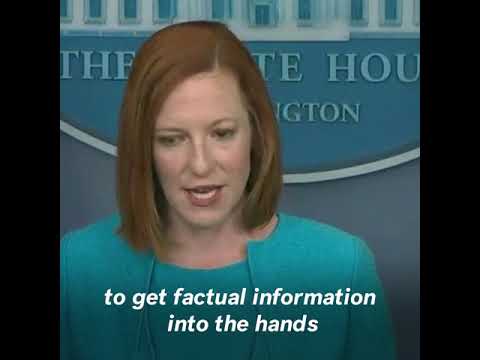
Cited as the admission that the government flagged posts to platforms, in debates over government involvement in content moderation.
Which of these have you already seen?
Connect YouTube and HackerTube AI hides what you've watched and ranks the rest for you.