
HN commenters push it, often forcefully, as the video to watch to see what factory farming really involves, and some say it changed their diet.
Topics › Earth, Energy & Environment
The best environment, agriculture & food systems videos, according to Hacker News
101 videos about environment, agriculture & food systems that Hacker News commenters keep pointing each other to, ranked by how many separate months they were recommended. Part of Earth, Energy & Environment.

HN commenters call it their favorite introduction to regenerative agriculture, and several say it changed how they garden or farm.

A perennial HN recommendation for building intuition about exponential growth, cited whenever endless growth, energy or population come up.

HN commenters bring it up in climate and food threads as a hopeful, if contested, idea about grazing and soil carbon.

HN users repeatedly offer it as the best introduction to agroforestry as a climate and food solution.

HN commenters recommend it as a counterpoint to claims about beef's environmental cost, though some critique its methane argument.

Linked in urbanism and car-dependence threads as a concise case for walkable fresh-food shopping.

HN readers share it as a persuasive, first-hand account of regenerative agriculture, citing its claims about soil organic matter, yields and reduced fertilizer use.

HN commenters cite it whenever rocket launch pollution comes up as a rebuttal to alarm, since it shows launches are small next to other sources.

HN commenters recommend it whenever leaded fuel, toxic chemicals or corporate profit motives come up, praising its storytelling and accessible science.

HN repeatedly recommends it as an up-to-date, fact-focused case for solar and batteries that readers can cite on land use and costs.

HN commenters cite it as a mind-changing introduction to exponential growth, though some note his peak oil predictions did not pan out.

HN recommends the series as a funny, coherent high-school-level overview of world history that teaches a lot in a few hours.

HN commenters cite her as the explanation for why soil biology, not added fertilizer, drives plant nutrition and farm results.

HN commenters cite it as a short, accessible overview of the climate and water case for plant-based meat.

Recommended in greenwashing and offset threads as a well-sourced, detailed explanation of how offsets underdeliver.

HN uses it as the go-to rebuttal to vertical farming hype, since it gives hard numbers from a leading controlled-environment authority.

Recommended as an engaging, down-to-earth talk on the world-changing potential of fungi.

Treated as the classic lecture on why people misjudge exponential growth, and pulled out in threads on compound growth, epidemics, crypto and resource limits.

Shared in climate and land-use threads as a vivid example of how letting land regrow can restore forest.

HN recommends it as an engaging, funny and fascinating documentary, and cites it in threads on the Salton Sea's history and environmental decline.

Cited in data center siting debates as evidence that noise and infrasound can seriously affect people living nearby.

Cited in vertical farming debates as a rigorous look at when indoor crops are economically viable.

HN points to it as a well-researched, accessible overview of PFAS in PFAS-related threads.

Commenters send it as a short, entertaining explanation of why people believe plastic is recyclable and how industry PR created that belief.

HN commenters bring it up in geothermal, greenhouse and vertical farming threads as a low-tech example of growing citrus in a cold climate.

HN cites it as the go-to example of how one keystone species can reshape an entire ecosystem.

HN treats it as a tiny practical life hack some adopt for good, while others mock it as peak TED.

HN recommends it as a clear introduction to chinampas and an example of productive agroforestry.

Recommended as a good, accessible explanation of PFAS, its low safe limits and why regulation matters.

Recommended as an accessible, powerful introduction to severe urban air pollution, remembered also for being banned in China.

Cited in threads on AI infrastructure as evidence of the water, power and community costs of data centers.

HN commenters point to it as a hopeful example of land and water management restoring landscapes and livelihoods at village scale.

HN recommends it as a thoughtful counterpoint to the pursuit of complicated, consumption-driven lives.

Cited in climate and carbon-removal threads as an inspiring example of re-greening deserts.

Offered as the quick, clear explainer on US federal land ownership whenever land use in the West comes up.

HN points to it in Colorado River and water-use threads as an accessible explainer of why the Western water shortage keeps getting worse.

Cited in climate and water threads as an encouraging example of large-scale landscape restoration.

Recommended in regreening and desertification threads as an optimistic, constructive example of land restoration.

Recommended as a clear, evidence-backed introduction to the economics of animal welfare in meat and egg production.

HN cites it as a compelling example of unforeseen ecosystem effects and rewilding.

Recommended for its bleak take on globalization, energy and food supply, though some commenters question how objective it is.

HN commenters post it in climate threads as a clear explanation of overshoot and declining carrying capacity.

HN cites it as a neat example of urban aquaponics and as a plausible alternative path for people leaving programming.

Pointed to as a cheap, hands-on example of home algae cultivation.

HN quotes it in environmental threads as a famous, darkly funny take that the planet will outlast humanity.

Cited as a sourced overview of what organic means and how it compares on pesticides and nutrition.

HN cites it for Dyson's contrarian take on global warming and soil carbon.

HN commenters cite it as a clear, well-sourced summary of why meat, especially beef, has such a large environmental footprint.

Offered as a concrete, human example in right-to-repair discussions of how software lock-in affects expensive equipment.

HN cites it as the best-documented example of landscape-scale restoration working, with striking before and after footage from the Loess Plateau.

Used as the explanation behind the free-lithium-cell scavenging idea in threads about vapes and battery reuse.

Cited in animal-welfare and environmental threads as a short, thought-provoking piece on how humans treat animals.

HN people recommend it as a short, contextualizing explainer on declining crop nutrient density.

HN commenters cite it in threads about indoor air quality, CO2 and houseplants as a cheap, low-tech approach.

Cited as support for the claim that chemicals affect amphibian sex and as an example of corporate influence over regulation.

HN commenters point to it as an overview of the Club of Rome's work in threads on systems thinking and collapse.

Recommended in tree-planting and carbon removal threads as a sourced explanation of why greening deserts is not a simple climate fix.

HN points to it as evidence that battery recycling is more advanced and practical than people assume.

Referenced as the explanation of shade balls and used in discussions of evaporation and floating covers.

HN commenters recommend it as a long, engaging introduction to Stamets and his fungi work.

HN recommends it as an eye-opener on how recycling was promoted by the plastics industry despite not working.

HN cites it in climate and diet debates as a contrarian perspective that cattle on managed pasture can be part of the solution.

Recommended as a fascinating watch in threads on leaking wrecks and oil spills.

Linked in fuel and aviation threads as the full story on why ethanol and biofuels are energy-negative or inefficient.

HN commenters call it a fantastic talk and cite it in climate threads for the carbon debt framing and tree-planting cost estimates.

Pointed to as a relevant, recent deep dive whenever Monsanto, GMO seeds or glyphosate safety come up.

HN cites it as a clear explanation of how industry shifted recycling responsibility onto consumers and why most plastic isn't recycled.

Mentioned occasionally as an episode on environmental toxins in food and water, though one commenter lumps it in with unregulated quackery.

HN commenters share it as an inspiring example of one person restoring an ecosystem by planting trees.

HN uses it as a well-known example of infrastructure that must run forever to keep an area habitable.

Cited in screwworm threads as a short description of the sterile-insect barrier system that worked for decades.

HN cites it as encouraging evidence that deserts can be regenerated and greened.

Linked in crypto-mining threads for its picture of what nearby residents endure, though some commenters treat it as a case of corporations overriding locals.

Cited in ecology threads as background on how overgrazing prevents Scottish forests from regenerating.

Cited in threads on textile waste and clothing supply chains as an example of an industrial recycling attempt, with some skepticism about how far it progressed.

Linked in water and Arizona threads to explain why desert farming is more productive than people assume.

Offered as further reading in threads about carbon removal, regenerative agriculture and holistic grazing.

HN points to it when discussing litter and civic neglect in India, as an example of anonymous citizen-led cleanup.

HN cites it as an example of the skill of sling-load helicopter pilots.

Linked in microplastics and recycling threads as a debunking of a viral statistic.

HN mostly cites it critically, as evidence of air pollution from AI data center turbines in Memphis.

HN cites it as a realistic example of productive mountain farming and of growing hardy crops in cold alpine conditions.

HN uses it as the standard debunking to cite whenever a new water-from-air device is announced.

HN cites it in nuclear power debates for the point that recycling waste is largely a solved problem, though costly to build.

HN cites it as proof of how much food a very small urban plot can produce.

It is posted as a punchline in threads about invasive species, pests and well-meant environmental fixes with side effects.
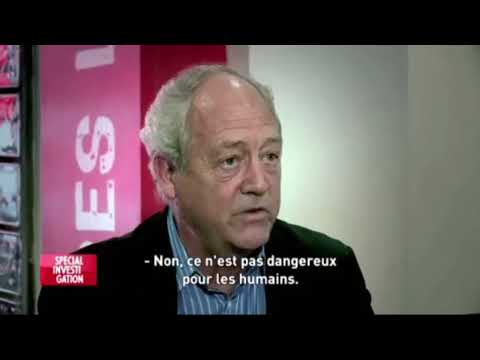
HN brings it up as a sardonic example of industry spokespeople not trusting their own safety claims, not as a recommendation.

HN cites it as the introductory talk from the Open Source Ecology founder in threads on tractors, repair rights and self-sufficiency.

HN links it as a concrete example of the scale and speed of automated recycling sorting.

Cited as the source for claims that PVC records outgas harmful compounds, usually in vinyl revival threads.

HN cites it as evidence that commercial berry harvesting is done by mechanical shaking and agitation, in contrast to slow picking robots.

Used as a source for back-of-envelope numbers on tree planting and by critics of feel-good climate gestures.

HN commenters reference it as a source in threads on food waste, donation and landfill methane.

Cited in recycling and plastic-waste threads as an entertaining take on corporate blame-shifting.

HN cites it, mostly critically, as an example of the GMO and pesticide lobby losing credibility.

Quoted as a joke in threads about plastic, climate and the meaning of life.

Cited critically as an example of a political stunt meant to reassure the public about water safety.

HN commenters cite it as a source for the research showing that simple home-ignition-zone measures raise a house's chance of surviving a wildfire.

Used as supporting evidence in threads on farming that farmers are smart, skilled and quantitative.

Cited as a documentary look at gutter oil and as an example of restaurant cost-cutting and food safety problems.
Which of these have you already seen?
Connect YouTube and HackerTube AI hides what you've watched and ranks the rest for you.